// Work
Where I operate.
My work runs across three operating contexts and a rotating set of advisory engagements. The common thread is a single set of questions. How does media infrastructure change when software and machines become collaborators? What do the teams building inside that change need from the people advising them?
This page is the map.
// Advisory
When to bring me in.
Advisory runs through Alchemy Creations. It is most useful before a decision hardens, while there is still room to change the architecture, the vendor, or the plan.
Good moments to call
- You are deciding whether to build an AI capability or buy it, and the vendor pitches have started to sound alike.
- Models are about to land in the middle of a production, archive, or distribution workflow, and nobody has settled who signs off on what.
- You want an outside read on a platform or stack before committing budget to it.
- Your infrastructure team and your editorial or creative side are describing the same problem in different words.
What you come away with
- A view of what to buy, what to build, and what to stop defending, for your stack rather than the industry in general.
- Your platform or vendor landscape read against the reference architecture, with the seams named.
- Architecture and vendor decisions reviewed while they are still live, by someone who can read the architecture and knows what is at stake on the media side.
What I help decide
Media infrastructure
Streaming, broadcast modernization, and cloud workflows. The layer I have worked in since early live streaming, and across studios, broadcasters, and streaming platforms at Microsoft.
Background →AI production workflows
Where models belong in a production, where people stay accountable, and what the pipeline has to record so you can trust what comes out of it.
The argument →Architecture
Reading a platform or vendor stack against the six layers of Video as a Data Type, to see where value accumulates and where it churns.
The reference architecture →Build versus buy
Treating the model as a supplier. What you are actually buying, what you get to keep, and the controls that keep a dependency one you manage.
The argument →How it works
- 01 /A conversationEmail is the front door. We work out whether the question calls for advisory, a talk, or something longer.
- 02 /A focused sessionWhen the question is bounded, a closed-room executive briefing of 60 to 90 minutes, or a half-day working session that applies the reference architecture to your stack.
- 03 /Embedded advisoryWhen the problem is bigger, I work inside the team through Alchemy Creations, in the architecture reviews and build decisions, for the length of the problem.
Why me
Former Worldwide CTO for Media & Entertainment at Microsoft, after helping build pieces of the streaming stack at Inlet Technologies and Elemental Technologies. Program chair of Streaming Media 2025. Author of the Video as a Data Type reference architecture.
// Operating Contexts
Founded · 2024
Alchemy Creations
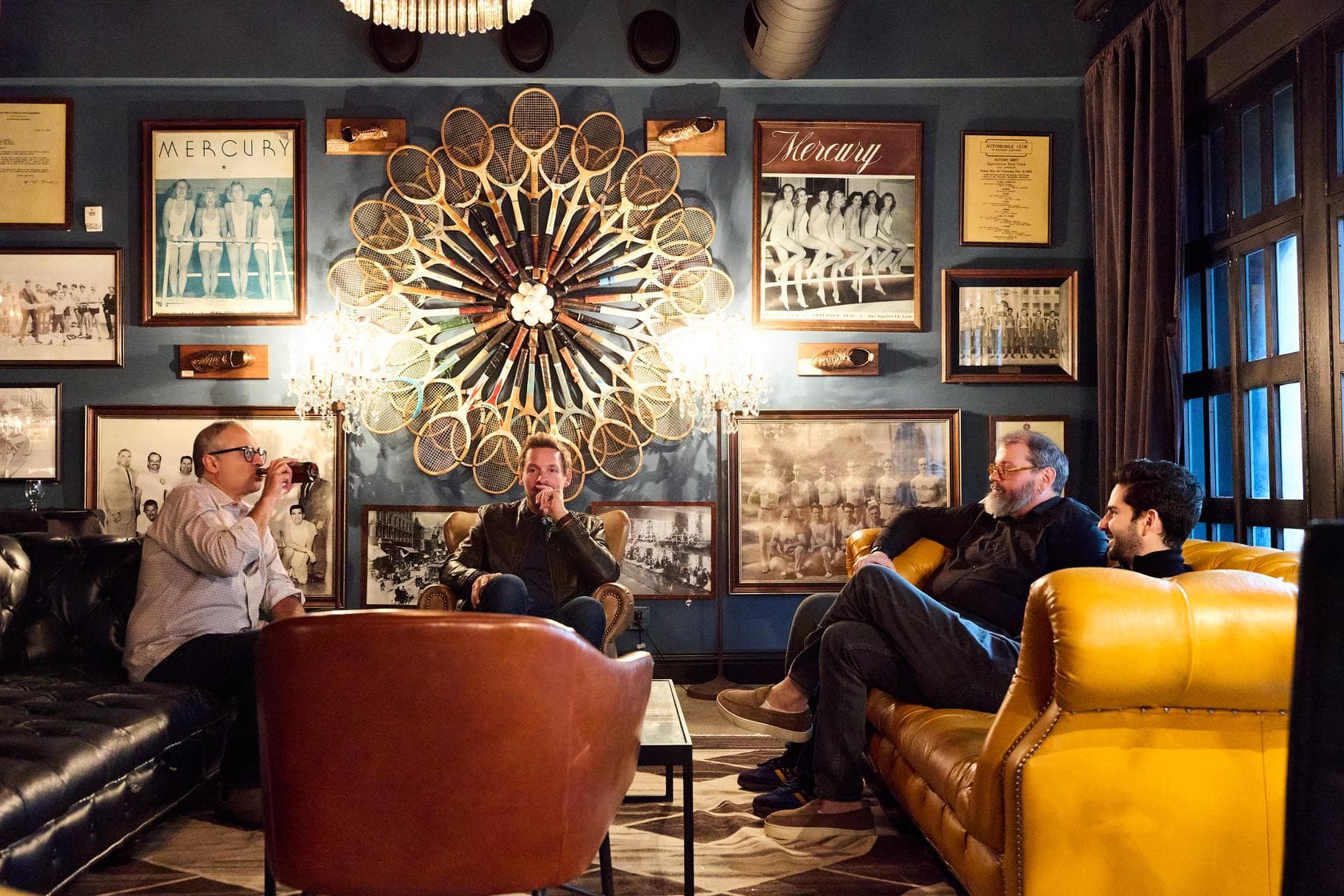
My consultancy and venture studio, founded with Joseph Hopkins. We work with media and AI companies navigating the intersection of creative production and technical transformation. The brief is strategic advisory, but we operate more like part of the team than a vendor, embedded in the work for the duration of a problem rather than producing artifacts and stepping back.
Interim CTO
Secret Level
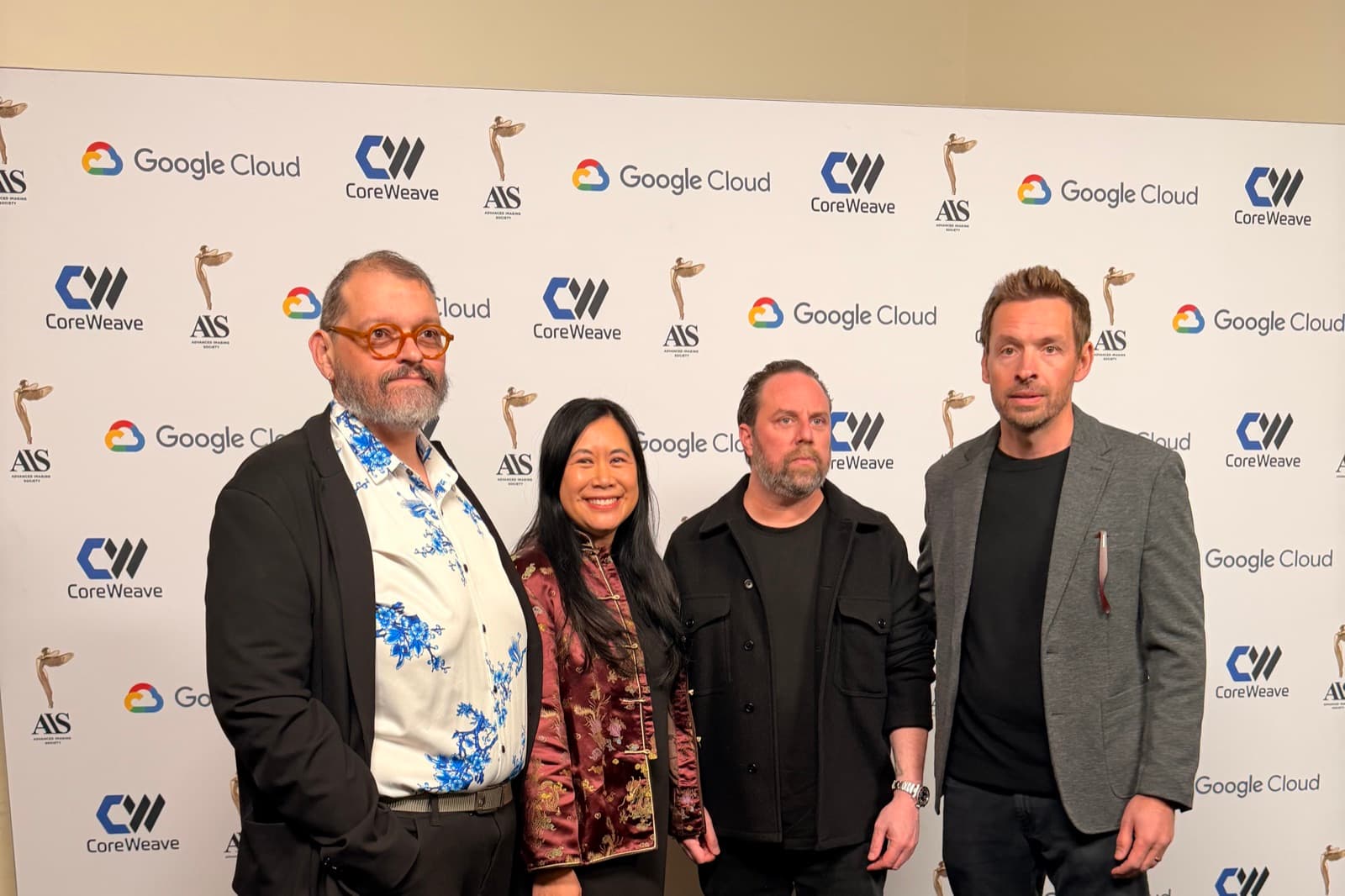
I serve as interim CTO at an AI-native production studio building generative storytelling infrastructure. The work sits at the boundary of creative production and machine intelligence, helping a team that's both shipping product and shaping what production looks like when machines become collaborators. External details are intentionally minimal.
Venture Partner
Hallstone Ventures
A seed-stage fund focused on AI and media technology, founded by Seth Hallen. My work there is sourcing and evaluating investments, helping portfolio companies on technical and strategic questions, and contributing to the fund's thesis on where media infrastructure is headed over the next decade.
Hallstone Ventures →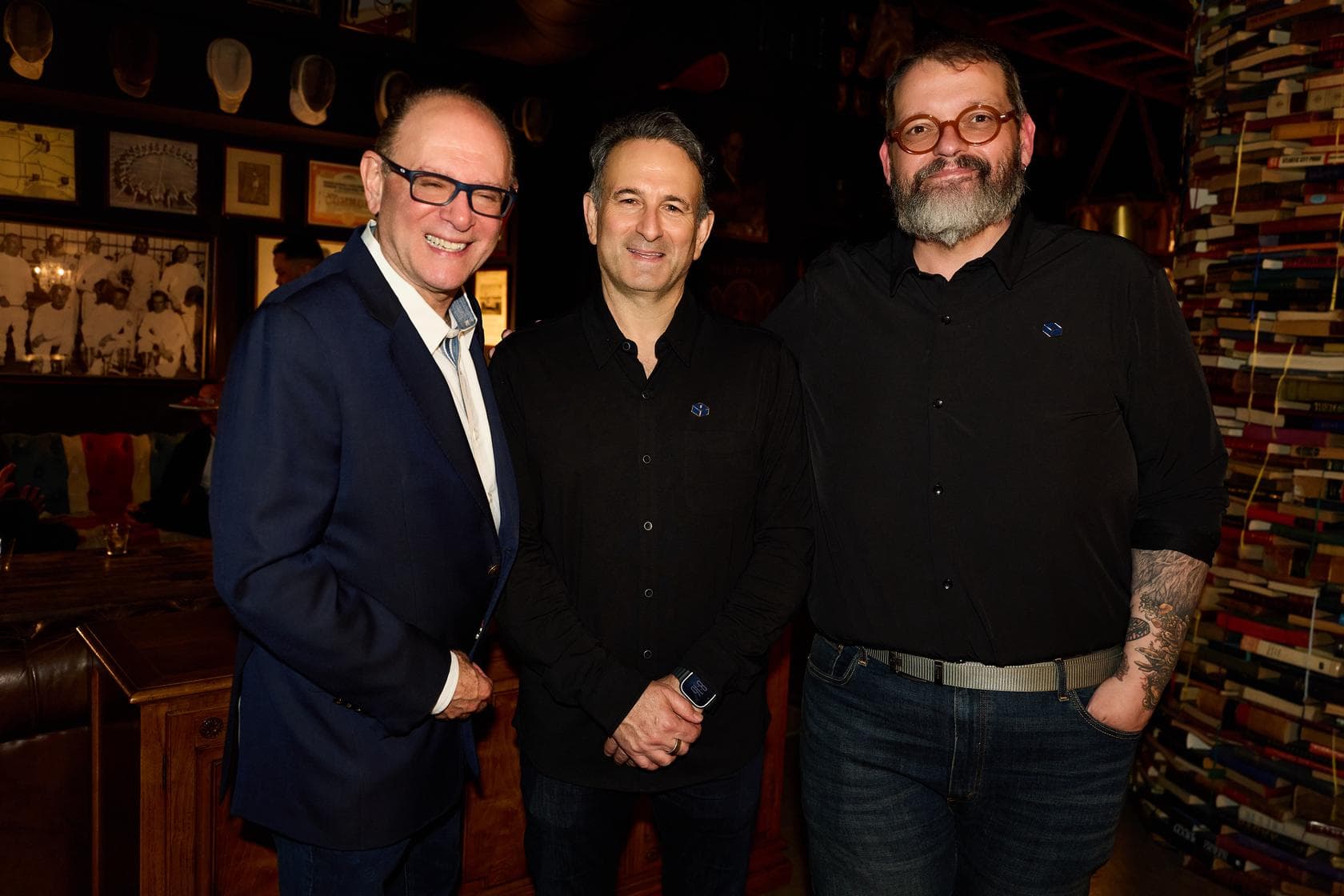
// Board Service
Board of Directors · Since 2018
The Alliance
The Alliance for Media Arts + Culture is a network of networks for the media arts field, from local community media centers and youth programs to national nonprofits and independent storytellers. It backs them with fiscal sponsorship, workforce training through Arts2Work, leadership programs, and grants like the Power of Storytelling Film Fund. I've served on its board since 2018, and I see my job as the bridge: bringing the technology, tools, and industry access that usually stay inside studios and platforms to the artists and organizations who rarely get that access.
The Alliance →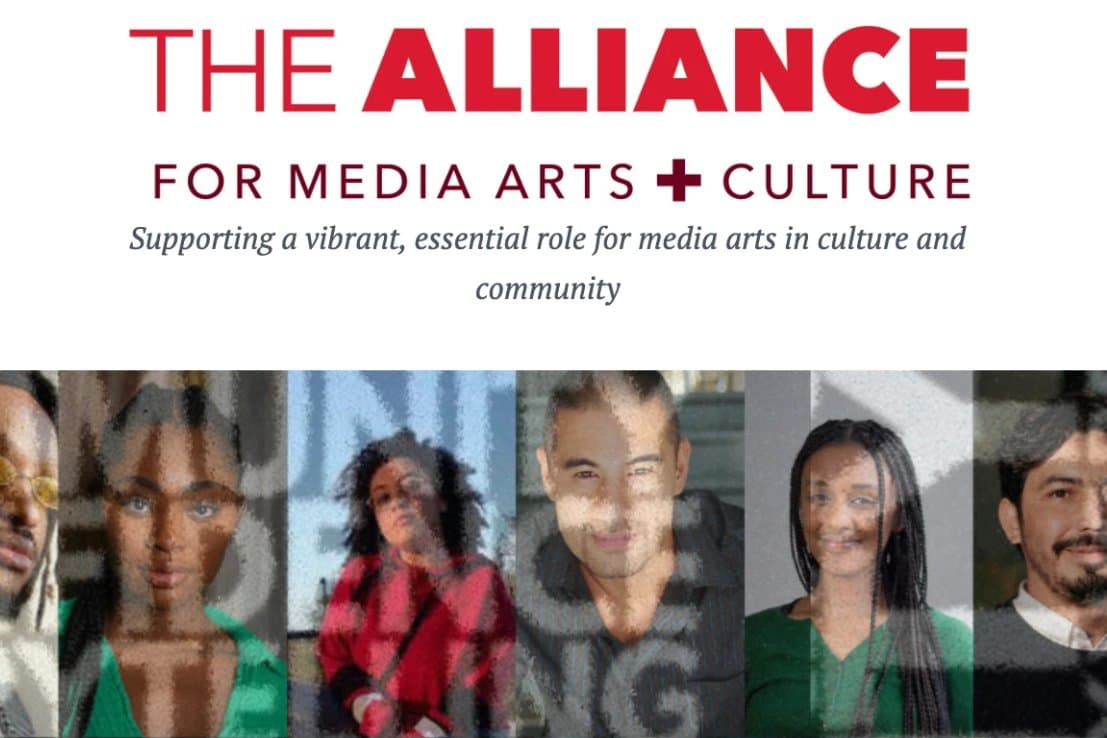
// Selected Collaborations





// Selected engagements
Client work I can describe. Names appear where the client is comfortable with it.
Secret Level
An AI-native studio had a product vision and no engineering team. I joined as interim CTO, set the architecture and roadmap, and brought in Qualabs as the engineering partner. The pipeline has since run dozens of projects, including our first feature-length film.
A codec and transport partnership
A codec company and a network-transport company had a partnership but no shared story. I wrote the joint narrative and a gated roadmap. Within eight weeks the codec company had turned it into an updated statement of work and a commercial evaluation offer to its partner.
// On the record
Most of my engagements stay private. These are the ones I can point at.
Video as a Data Type
- Context
- As models become interchangeable, media companies need a way to tell which parts of their stack carry durable value and which will churn.
- My role
- Author. I wrote it in the open, one version at a time, out of the Engines of Change essays.
- What came of it
- A reference architecture for AI-era media with six layers, from rights and asset memory through usage and settlement, routing, and transport to representation. Version 6 is public with a Reader's Guide, it debuted as a keynote at the Silicon Valley Video Summer Camp, and version 7 is in progress.
Streaming Media 2025
- Context
- Streaming Media 2025, in Santa Monica, needed a program.
- My role
- Program chair. I built the program and hosted the opening keynote and two firesides.
- What came of it
- The opening keynote with Netflix's Brett Axler on launching its live era, and firesides with Renard T. Jenkins and TelevisaUnivision's Nicole Williams, all recorded and public.
The Workshop
- Context
- An AI that answers in my name has to show where each position came from, or it is guessing.
- My role
- Designed and built it myself.
- What came of it
- Back Brain reads my essays and proposes what I seem to believe, and nothing counts until I approve it with the passage attached. It now powers SipStir and Ask Engines of Change. Sigil, the document tracker, runs from Claude, which adds a deck, makes the links, and drafts the emails.
// How I Work
01 /
I show up across the layers.
Most advisors stay at one layer. I write, I advise, I sometimes operate inside companies. The problems in media right now want all three. Infrastructure teams often don't know what editorial actually needs. Creators often don't know what the platforms can do. I try to sit between those conversations.
02 /
I think in systems, not features.
Most product decisions in media get framed as "should we add this feature." The more useful question is usually what system this feature is part of, and what that system wants to become. I bring that lens to almost every engagement.
03 /
I'm useful where engineering meets context.
I have enough technical depth to read architecture and write code when I need to. I have enough media context to know what's actually at stake. The valuable spot is in the overlap, especially when the two sides aren't used to talking to each other.
04 /
I work inside the system.
Advice ages fast once it leaves the room. Systems keep moving, and the interesting problems only show up when you sit close to the feedback loops. So I stay embedded: in the architecture reviews, in the build decisions, in the tradeoffs while they're still live. The work gets better when everyone at the table is solving the same problem, and that's the table I want to be at.
// Engage
Looking to engage on something specific?
If you're thinking through media infrastructure, AI production workflows, or where storytelling systems are headed and want a thinking partner, that's the conversation. Email is the front door. We'll figure out from there whether advisory, speaking, or a longer engagement makes sense.